
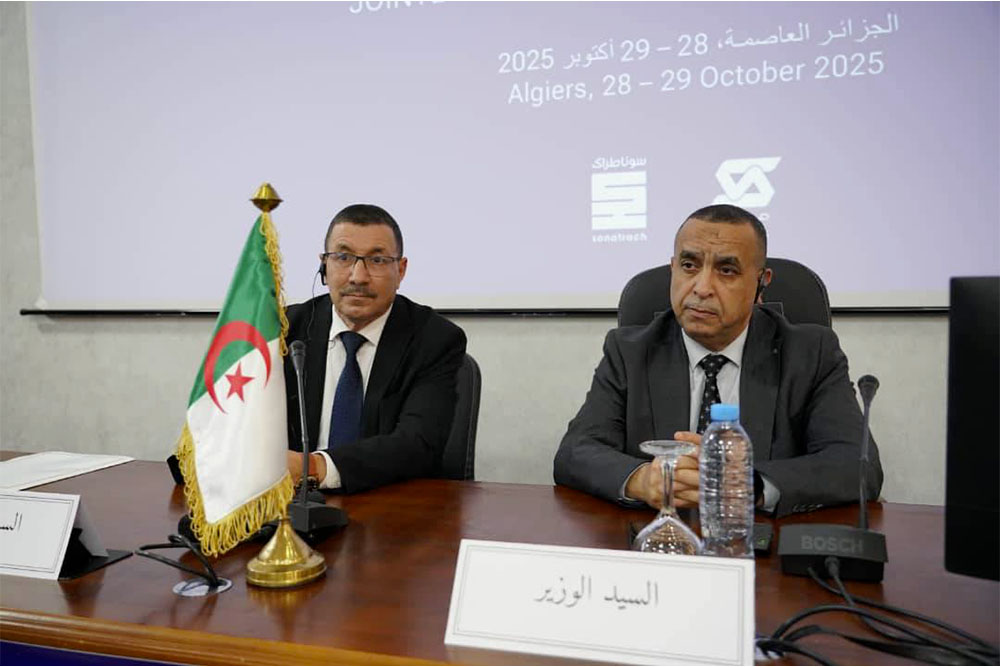
Dr. Mourad Adjal, Minister of Energy and Renewable Energies, presided today, Tuesday, October 28, 2025, over the official opening ceremony of the joint conference on “The Non-Electric Applications of Nuclear Energy.” The event, held on October 28–29, is organized in partnership between the Atomic Energy Commission and the Russian State Atomic Energy Corporation (Rosatom).
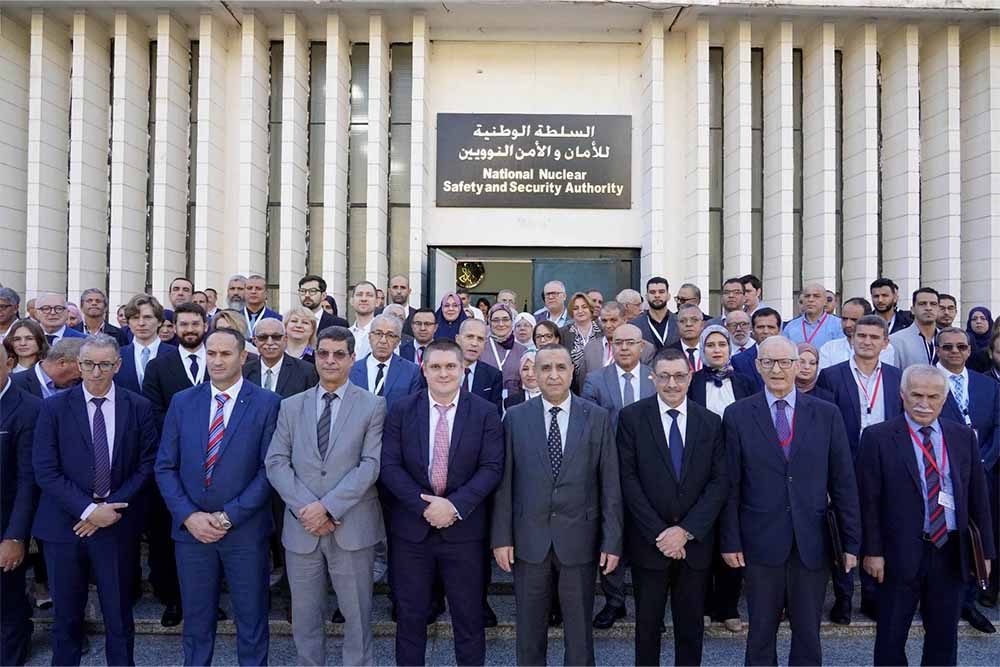
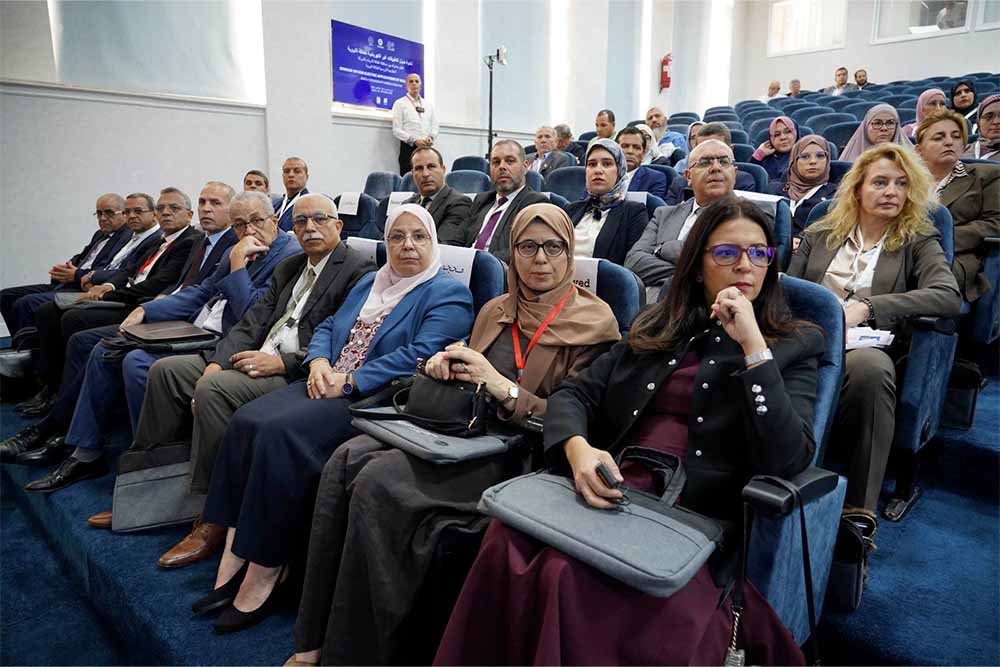
In his opening remarks, delivered in the presence of the Commissioner for Atomic Energy, the President of the National Health Security Agency, the Chairman of the National Committee for Cancer Prevention and Control, the head of the National Authority for Nuclear Safety and Security, as well as a large number of experts and specialists from Rosatom and senior officials from the Ministry of Energy, Dr. Mourad Adjal recalled the deep and historic bilateral relations between Algeria and the Russian Federation.
He explained that the purpose of this conference aligns with the Algerian government’s growing focus on combating cancer and expanding the use of nuclear medicine, an effort reflecting the directives of the President of the Republic, Mr. Abdelmadjid Tebboune, who has called for directing investments in nuclear energy toward medical applications, particularly radiotherapy for cancer patients and others requiring advanced technologies.
Dr. Adjal also highlighted the wide range of nuclear energy applications in fields such as energy, agriculture, industry, and water resources, including desalination and drought mitigation. He referred to the Algerian government’s program to use nuclear energy for the local production of radiopharmaceuticals to meet the country’s increasing demand, secure the supply chain, and ensure continuous availability of these vital medical materials. This initiative, he noted, will help reduce imports of radiopharmaceuticals, improve patient care, and shorten treatment waiting times.
In conclusion, the Minister of Energy and Renewable Energies stressed the importance of this conference as a platform for sharing expertise and benefiting from Russia’s extensive experience, through Rosatom, in nuclear medicine and the production of radioactive isotopes. He emphasized the need to strengthen cooperation in training and technology transfer, particularly in developing and using small modular reactors (SMRs) for electricity generation and seawater desalination. Dr. Adjal underlined the importance of establishing effective and practical mechanisms to harness the peaceful uses of nuclear energy and its technologies, which offer sustainable solutions to key challenges in medicine, energy, agriculture, and water resources in the decades to come.