

The Minister of Energy and Renewable Energies, Dr. Mourad Adjal, paid a working visit to the Province of Djelfa on November, 19th 2025, at the head of a delegation comprising senior executives from his ministerial department, as well as executives from the Sonelgaz Group. During this visit, he conducted a working inspection to assess the level of performance of the sector at the wilaya level. He was received by the Wali of the Wilaya, Mr. Djehid Mous, along with a delegation of representatives of the security services and local authorities.
The visit program included the holding of a working meeting at the Wilaya level, during which a presentation was delivered on the situation of the sector in the Wilaya. This was followed by listening to the needs and concerns of elected officials and local authorities regarding the sector, after which the necessary directives were issued to improve energy-related services. On this occasion, energy projects currently under construction in the Wilaya of Djelfa were also inspected.
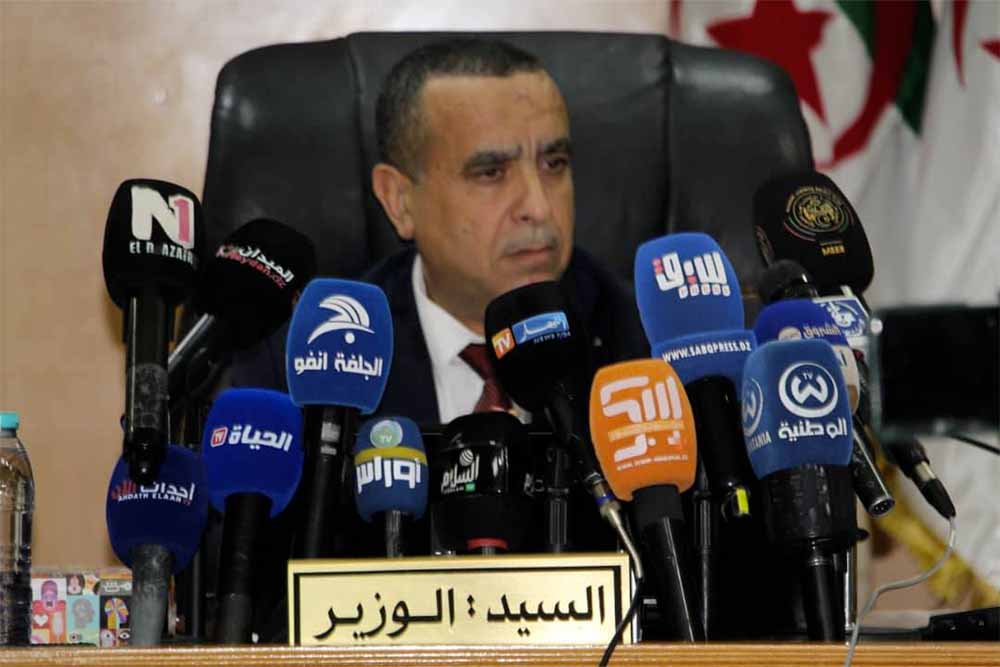
As part of this visit, Dr. Mourad Adjal held a working meeting with the Governor of the Wilaya of Djelfa, Mr. Djehid Mous, in the presence of representatives of the executive body, elected officials, and representatives of local authorities. In his opening address, the Governor spoke about the importance of the energy sector in improving citizens’ living conditions and supporting institutional activity, noting that the management of this sector requires coordination between local administration and the ministry’s structures to ensure effective management of energy-related services, define priorities, and address the various concerns raised by citizens. He considered this visit an important opportunity to strengthen cooperation among the different bodies and activate joint working mechanisms in the service of the public interest.
For his part, the Minister of Energy and Renewable Energies stated that this visit aims to assess the extent of implementation of development programs, particularly the complementary development program in the Wilaya of Djelfa, which received special attention from the President of the Republic, Mr. Abdelmadjid Tebboune. This program aims to boost local development, improve citizens’ living conditions, and strengthen infrastructure across the various districts and municipalities. He added that the Ministry of Energy and Renewable Energies is working on implementing a broad development program aimed at improving the quality of public service in the Province of Djelfa, particularly with regard to strengthening electricity and gas networks and developing energy infrastructure, in addition to expanding the use of renewable energies. This approach is consistent with the growing demand for electricity and gas and supports local economic activity, especially in the agriculture, industry, and local investment sectors, by providing the necessary energy conditions to support these activities and create added value.
Regarding the new administrative division, under which 11 administrative districts in the High Plateaus and the South were promoted to full-fledged provinces, of which the Province of Djelfa obtained a significant share with the promotion of two districts into provinces, the Minister affirmed that the services of his ministerial department will ensure the provision of all necessary means to support development in these provinces. This includes the construction of headquarters for distribution directorates and the allocation of recruitment quotas to contribute to the launch of these directorates and their entry into service as soon as possible. This falls within the framework of the Ministry’s efforts to improve the level of public service, which represents a consecration of a priority of the Algerian State emphasized by the President of the Republic, through listening to citizens’ concerns and upgrading the public services provided to them.
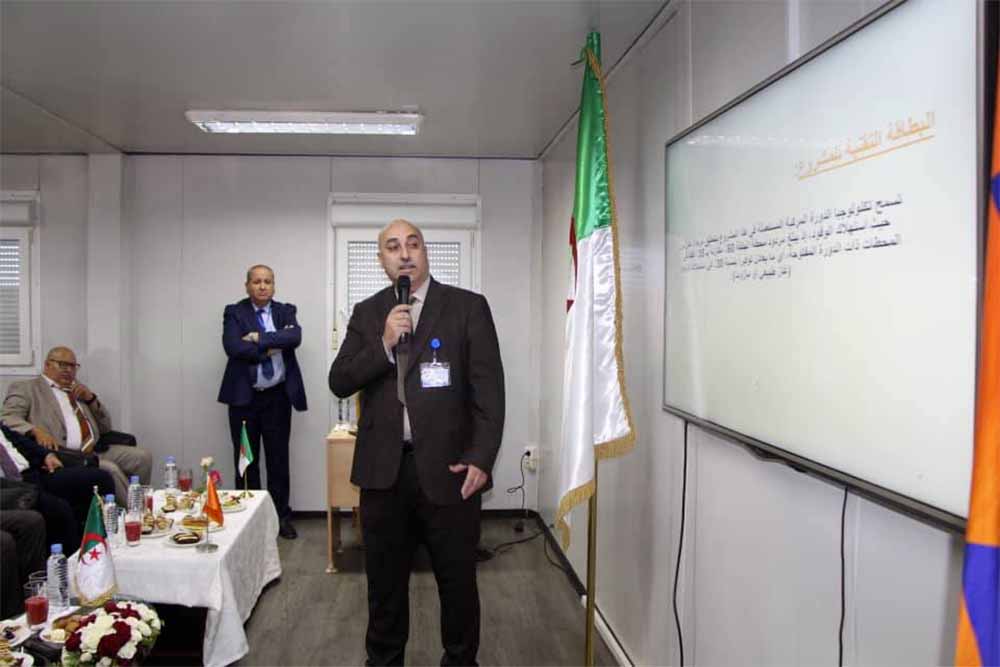
The proceedings of the meeting also included the presentation of a report on the level of performance of the sector in the Province of Djelfa, covering key figures related to the supply of electricity and gas, electrification and gas distribution programs, as well as an overview of the status of projects under implementation, development programs, and the complementary program decided by the President of the Republic. A presentation was also made on the provincial development plan for the 2026–2030 horizon.
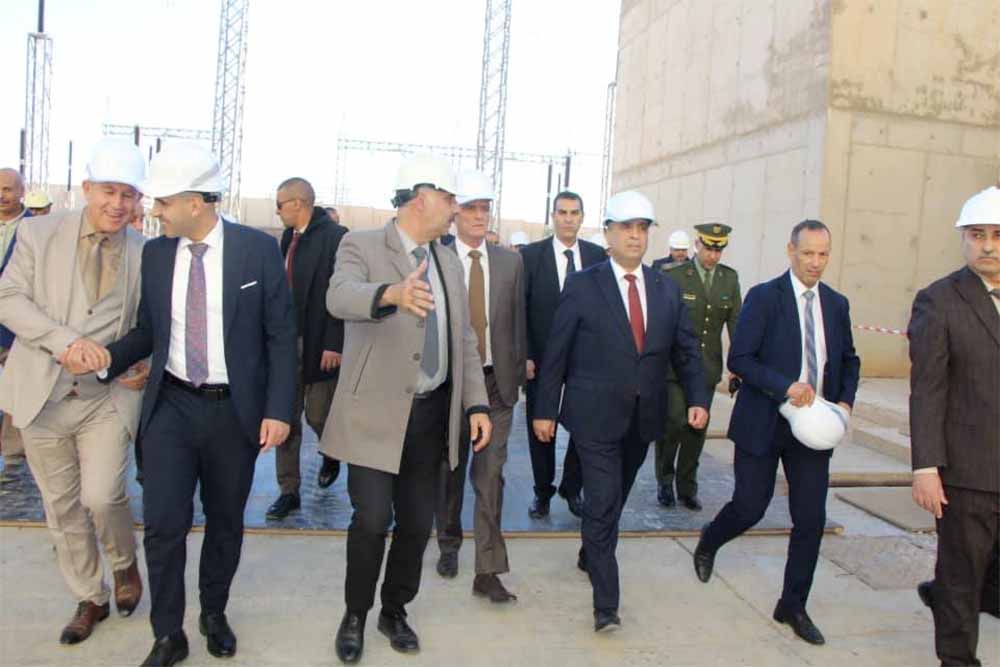
As part of the inspection of energy projects, the Minister, accompanied by the Governor of the Province, inspected the project for the construction of a 1,200-megawatt combined-cycle power generation plant, where the progress of works was examined. On this occasion, the Minister stressed the necessity of adhering to delivery deadlines and bringing 250 megawatts into service before August 2026 as a first phase, with full commissioning scheduled for 2027. He pointed out that the works on this energy facility are being carried out with 100% local Algerian expertise and manpower. He also announced the allocation of several basic facilities to the newly created Province of Ain Oussara as part of the new administrative change, including the establishment of a gas district and a transport district, along with the provision of job positions required for the management of these structures.
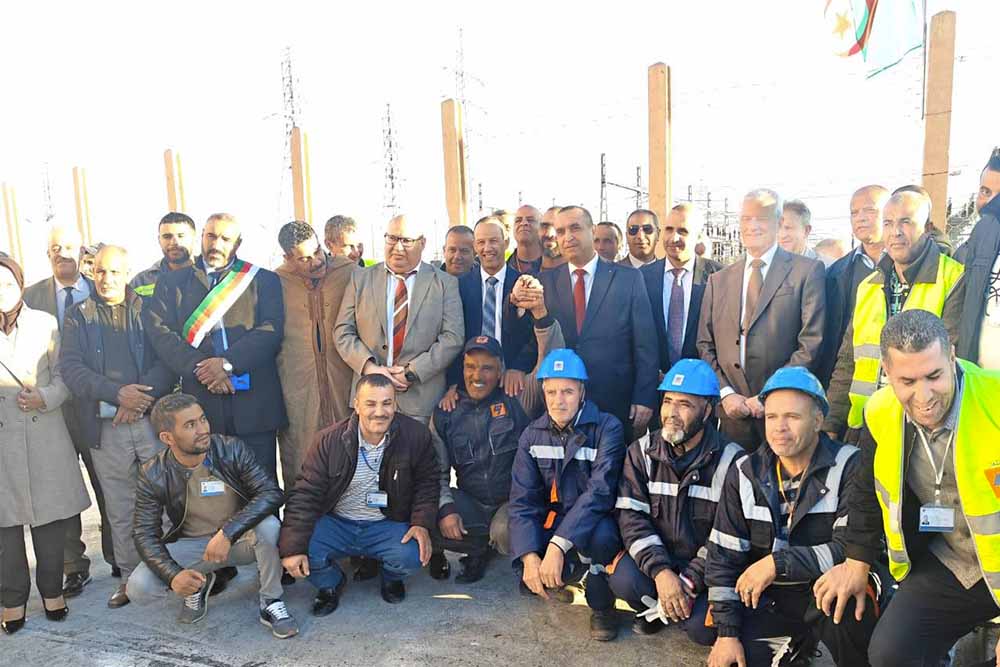
In the final stage of the visit, the Minister, accompanied by the Governor of the Province, visited the project for the construction of the 30-kilovolt level with 24 electrical feeders at the transformer station in Ain Oussara. He listened to explanations provided regarding the project, which will be integrated into the remote control center, enabling supervision, monitoring, and effective control of the electrical network. This project contributes to the modernization of electrical equipment and the doubling of feeder capacity, thereby improving and securing the continuity and quality of electricity supply and supporting the economic development of the region, particularly in the agricultural and industrial sectors, as well as enhancing the network’s ability to meet the expected future increase in demand for electrical energy.